Has your home tested high for radon? We’re here to break down common misconceptions about radon mitigation systems so you can take steps to protect your home today and why you should install a radon mitigation system.
Myth 1: Radon isn’t a big deal
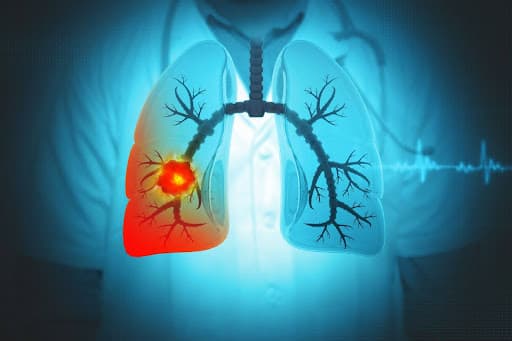
This myth could not be further from the truth. When someone breathes in radon over a prolonged period, the DNA in their lungs changes, causing lung cancer. Radon is a radioactive gas and the leading cause of lung cancer in non-smokers. 21,000 people die annually from radon-induced lung cancer. Radon can also impact your health and lungs by causing additional diseases, so it’s critical to test your home to determine if it has high radon levels. The American Lung Association, American Cancer Society, Environmental Protection Agency, World Health Organization, U.S. Surgeon General, and the Huntsman Cancer Institute strongly encourage every homeowner to test for radon.
Myth 2: Radon systems are extremely expensive
When people hear about radon mitigation system installation, they often think it will cost tens of thousands of dollars. The good news is that the average cost of a radon system is $1,800–2,000, and financing is typically available. While that is not a small amount of money, it’s far less than a lung cancer diagnosis would cost (the monthly lung cancer treatment cost is typically in the $16,000 per month range).
Myth 3: Radon isn’t dangerous if you don’t live in a basement
Gasses rise, which means radon can rise through a home into all floors. While the radon concentration will always be highest on the lowest level of the home, it is still present on higher floors and can cause health problems. No matter what floor you live on, you should test your home to ensure you aren’t at risk.
To determine if you should install a radon mitigation system request a free radon test, click here.