Understanding Radon and Its Dangers
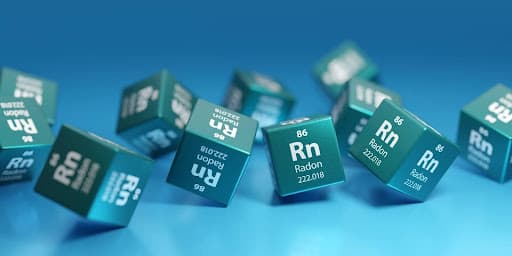
Radon is an invisible, odorless gas that you cannot see, smell, or taste. It forms naturally when uranium in soil, rock, and water breaks down over time. While radon exists outdoors in small amounts that are usually harmless, it can become dangerous when it seeps into homes and buildings through cracks in floors, walls, and foundations. Once trapped inside, radon can build up to dangerous levels that put your family's health at risk.
What makes radon particularly concerning is that Radon as the second leading cause of lung cancer in the United States, right after cigarette smoking. According to the Environmental Protection Agency (EPA), radon exposure causes about 21,000 lung cancer deaths every year. This means that radon is responsible for more deaths than drunk driving, home fires, or carbon monoxide poisoning. The scary part is that many people don't even know they're being exposed to this harmful gas.
How Radon Causes Lung Cancer
When radon gas breaks down, it releases tiny radioactive particles into the air. When you breathe in these particles, they get trapped in your lungs. Over time, these particles release small bursts of energy that can damage the cells lining your lungs. This damage can eventually lead to lung cancer, sometimes years or even decades after exposure begins.
The risk is even higher for smokers. If you smoke cigarettes and are also exposed to high radon levels, your chances of developing lung cancer increase dramatically. However, it's important to understand that even non-smokers can develop lung cancer from radon exposure. In fact, radon is the leading cause of lung cancer among people who have never smoked.
Why Testing Your Home Is Critical
The only way to know if your home has dangerous radon levels is to test for it. You cannot rely on your senses because radon is completely undetectable without proper testing equipment. Your neighbor's home might have low radon levels while yours could have high levels, even if you live in identical houses. This is because radon levels depend on the specific soil and rock beneath your home and how your house was built.
Testing for radon is simple and inexpensive. You can purchase a do-it-yourself radon test kit from hardware stores or online for as little as $15 to $25. These kits are easy to use—you simply place them in the lowest level of your home where people spend time, leave them for a few days or months depending on the type, and then send them to a lab for analysis. You can also hire a professional to test your home if you prefer.
Take Action Today
If your test results show radon levels at or above 2 picocuries per liter (pCi/L), the EPA recommends taking steps to reduce the radon in your home. Professional radon reduction systems can lower radon levels by up to 99%, and they typically cost between $1,800 and $2,300 to install.
Protecting your family from radon is one of the most important things you can do as a homeowner. Don't wait until it's too late. Get your home tested for radon today and take action if needed. This simple step could save your life or the life of someone you love.