Climate Change and Radon Levels in Utah
Radon is an invisible, odorless gas that comes from uranium in rocks and soil. When uranium breaks down, radon can move up through the ground and enter buildings through cracks in foundations, gaps around pipes, sump pits, crawl spaces, and other openings. Breathing radon over many years can damage lung tissue and raise the risk of lung cancer. That is why radon is a serious health issue in Utah, where many areas have radon-prone geology.
Climate change means long-term shifts in weather patterns. In Utah, this often shows up as hotter average temperatures, more extreme heat days, changing snowpack, earlier snowmelt, and changes in the timing and size of storms. Climate change does not “create” radon, but it can affect the conditions that control how radon moves from the ground into homes.
One way climate change can matter is through soil moisture. After heavy rains or rapid snowmelt, water can fill spaces in the soil. This can temporarily change how air moves through the ground. In some situations, wetter soil can trap radon and then release it later as the soil dries. In other situations, water can push soil gas toward drier pathways, including cracks near a foundation. The exact effect can differ from one home to another, but shifting patterns of storms and runoff can change radon entry in real life.
Another factor is temperature and pressure. When it is cold outside and warm inside, homes can act like a vacuum, pulling air up from the soil. This is called the “stack effect.” Utah winters can already create strong stack effects. If climate change leads to bigger swings in temperature, or more days where homes are tightly sealed and heated, it may change how much soil gas is pulled indoors during parts of the year.
Wildfire smoke and poor outdoor air quality can also influence radon levels indirectly. During smoke events, people often close windows and run HVAC systems on recirculate. Tighter indoor conditions can reduce fresh-air exchange. If radon is entering from below, less ventilation can allow radon to build up to higher levels.
Utah’s housing choices may also shift with climate. More air conditioning, energy upgrades, and weatherization can make homes more efficient, but also tighter. A tighter home is not automatically a high-radon home, but it can make existing radon entry problems more noticeable because the gas has fewer ways to leave.
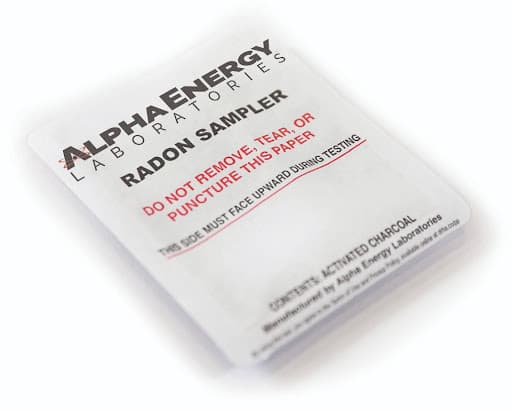
The most important point is practical: you cannot tell a home’s radon level by the weather, the season, or how new the home is. The only way to know is to test. In Utah, many health and building experts recommend testing every few years, and always testing after major changes like finishing a basement, replacing HVAC equipment, or doing extensive air sealing.
If a test shows radon at or above 2.0 pCi/L, mitigation is usually recommended. A common fix is a radon reduction system that uses a vent pipe and fan to pull radon from beneath the home and release it safely above the roofline. These systems can often reduce radon levels a lot.
Climate change may shift conditions that affect radon entry, but testing and mitigation are still the best tools. In Utah, understanding both environmental change and home health helps families make safer choices.