Radon and Home Energy Efficiency: Staying Safe While Saving Energy
Radon is a natural gas that comes from the breakdown of uranium in soil and rock. You can’t see it, smell it, or taste it. But it can collect inside homes and become a serious health risk. At the same time, many people are working to make their homes more energy efficient by sealing cracks and reducing air leaks. That can lower heating and cooling costs, but it can also affect how radon moves and builds up indoors. The good news is you can have an efficient home and a safe home—if you understand the connection and test regularly.
Why Radon Matters
Radon is the second leading cause of lung cancer in the United States, after smoking. It can affect anyone, including people who have never smoked. Radon enters homes from the ground through small openings, like cracks in a basement floor, gaps around pipes, sump pits, crawlspaces, and even tiny pores in concrete. Once inside, it can build up to unsafe levels, especially in lower areas like basements.
Because radon levels can vary from house to house—even next door neighbors can have very different readings—you can’t assume your home is safe based on location alone. The only way to know is to test.
How Energy Efficiency Can Change Radon Levels
Energy-efficient upgrades often focus on keeping outdoor air out and indoor air in. Common improvements include adding insulation, sealing the attic, weatherstripping doors, installing new windows, and air-sealing around foundations. These steps reduce drafts and help maintain a steady indoor temperature.
However, tighter homes may have less natural ventilation. That means radon that enters the home may not dilute as easily and can reach higher concentrations. In some cases, changes in air pressure caused by exhaust fans, fireplaces, or certain HVAC systems can also draw more soil gas (including radon) into the house.
This doesn’t mean you should avoid energy upgrades. It means you should pair efficiency work with radon awareness.
Testing: A Simple Step That Protects Your Family
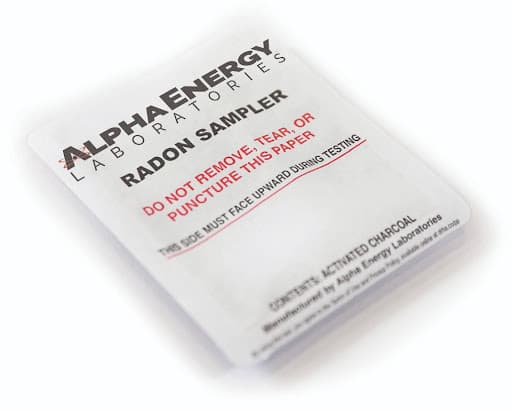
Radon testing is easy and affordable. Short-term tests usually take 2–7 days and give a quick snapshot. Long-term tests (90+ days) provide a more accurate average, which is helpful because radon levels can change by season, weather, and how often windows are open.
It’s smart to test your home on a regular basis, not just once. You should retest:
- Every few years (even if past tests were low)
- After remodeling or finishing a basement
- After major energy-efficiency work (like air sealing or new windows)
- If you change how you heat or ventilate your home
- Regular testing helps you catch problems early and keeps your home safer over time.
What If Your Radon Level Is High?
If a test shows high radon levels, don’t panic—radon can be fixed. A common solution is a radon mitigation system, which vents radon from beneath the home to the outdoors. These systems are effective and can often reduce radon to safe levels quickly.
Bottom Line
Home energy efficiency is a great goal, but safety should come first. Since radon is invisible and can change over time, regular testing is one of the simplest ways to protect your family while enjoying a comfortable, efficient home.