Understanding National Radon Action Month
Every January, the United States observes National Radon Action Month, a time dedicated to raising awareness about radon gas and encouraging people to test their homes. But what exactly is radon, and why do we need an entire month focused on it?
What is Radon?
Radon is a colorless, odorless, and tasteless radioactive gas that occurs naturally in the environment. It forms when uranium in soil, rock, and water breaks down over time. Because you can't see, smell, or taste radon, it's impossible to detect without special testing equipment. This invisible nature makes radon particularly dangerous because it can build up in homes without anyone knowing.
Why January?
January was chosen as National Radon Action Month for several practical reasons. During winter, homes are typically sealed tight to keep warm air inside, which means less ventilation and air exchange with the outdoors. This creates conditions where radon gas can accumulate to higher levels indoors. Additionally, people spend more time inside during cold winter months, increasing their potential exposure to radon. By focusing on radon awareness in January, health officials hope to catch people's attention when the risk is highest and when they're most likely to be thinking about their indoor environment.
The Health Risks of Radon
Radon is the second leading cause of lung cancer in the United States, right after cigarette smoking. According to the Environmental Protection Agency (EPA), radon causes approximately 21,000 lung cancer deaths each year. When radon gas is inhaled, radioactive particles can get trapped in your lungs. Over time, these particles release energy that can damage lung tissue and potentially lead to cancer. The risk increases with higher radon levels and longer exposure times.
Why Testing is Important
Testing your home for radon is the only way to know if you and your family are at risk. The EPA recommends that all homes be tested for radon, regardless of geographic location or home type. Radon can affect any home—new or old, with or without basements, well-sealed or drafty.
The good news is that radon testing is simple and inexpensive. Short-term tests take just a few days, while long-term tests provide a more accurate picture over several months. If elevated radon levels are detected, the problem can be fixed through various mitigation techniques. Most radon reduction systems can lower radon levels by up to 99%, and they typically cost about the same as other common home repairs.
Taking Action
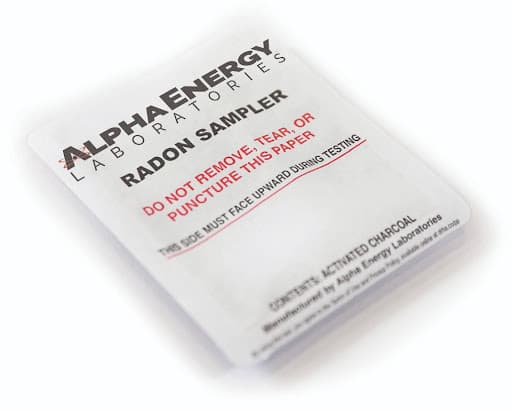
National Radon Action Month serves as an important reminder that protecting your family from radon starts with a simple test. You can purchase radon test kits at hardware stores or online, or hire a qualified radon measurement professional. Many state radon offices also offer free or discounted test kits during January.
By taking a few minutes to test your home this January, you're taking an important step toward protecting your family's health. Don't let this invisible threat go undetected—make radon testing a priority during National Radon Action Month and throughout the year.