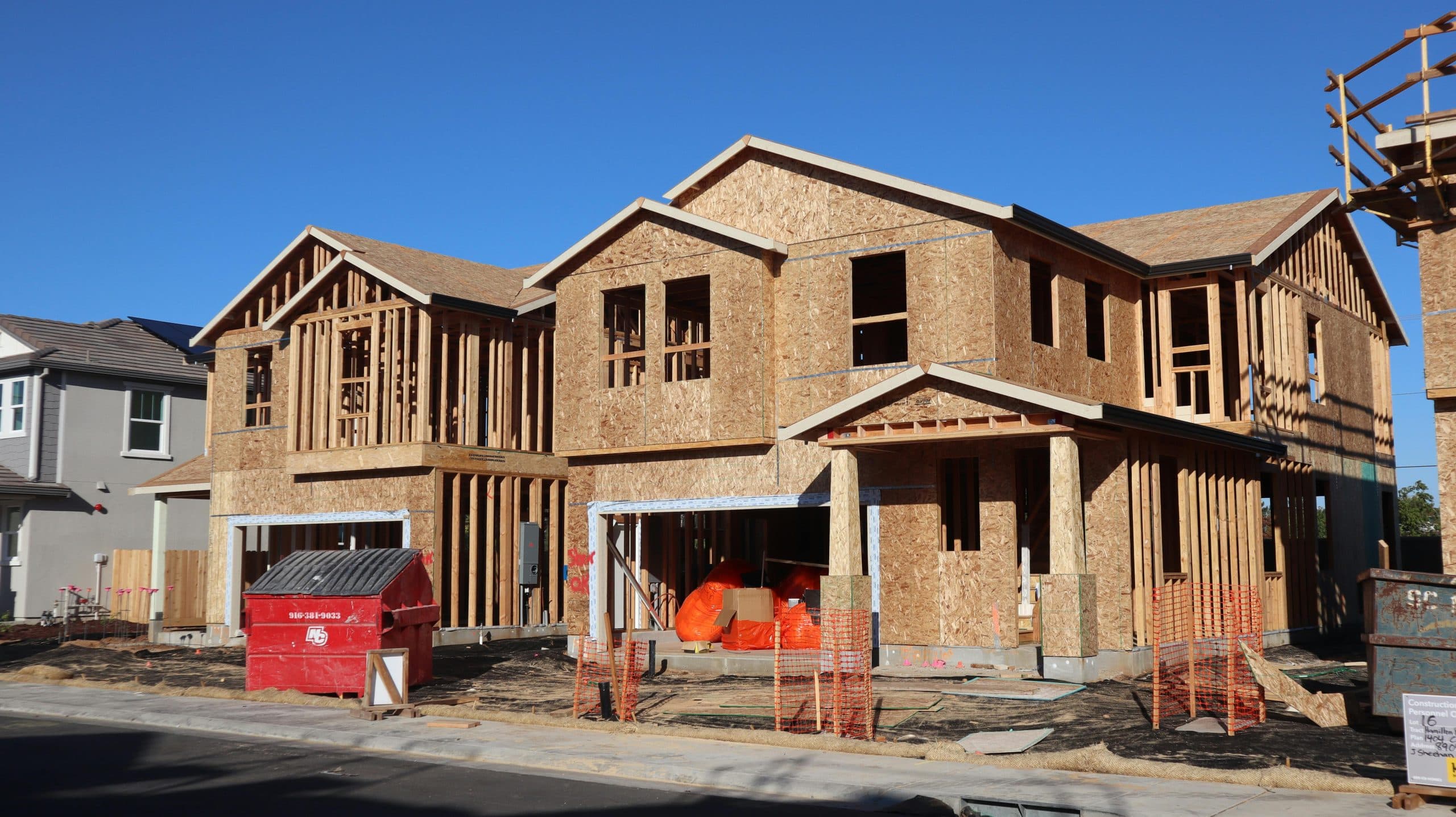
Radon mitigation in new construction - Radon is a natural gas that comes from uranium in soil and rock. You cannot see it, smell it, or taste it. But radon can collect inside homes, and breathing it for many years can raise the risk of lung cancer. That is why it matters in new construction. Building a home is the best time to add radon protection, because the builder can plan it into the foundation and the mechanical systems from day one.
Why radon can be a problem in new homes
New homes often have tight building envelopes. This is good for energy savings, but it can also trap gases indoors. Radon enters through small openings in the lowest level of the home, such as cracks in the slab, gaps around plumbing, sump pits, and spaces where the foundation meets the framing. Once radon gets in, it can build up, especially in basements and lower bedrooms.
Radon-resistant features in new construction
Many builders can include radon-resistant construction (sometimes called “passive” radon features). These steps help reduce how much radon can enter the home and make it easier to fix later if needed.
Common features include:
- A layer of gas-permeable material under the slab, like gravel, so soil gas can move freely.
- Heavy plastic sheeting over the gravel to help block soil gas.
- Sealing and caulking of openings in the foundation.
- A vertical vent pipe that runs from under the slab up through the house and out the roof.
If a test later shows high radon, the system can often be upgraded to an “active” system by adding a small inline fan. The fan pulls radon from beneath the home and vents it above the roof, where it can safely disperse.
Testing still matters for every home
Even with radon-resistant features, no construction method can guarantee low radon. Radon levels can change from lot to lot, even in the same neighborhood. Weather, soil, and how the home is used can also affect radon.
That is why buyers and sellers should both support radon testing.
Advice for buyers
Ask for a radon test as part of your home inspection, especially if the home has a basement or lower-level living space. If the home is newly built, request proof of radon-resistant features, but still test. If results are high, a mitigation system is usually straightforward and affordable compared to other home repairs, and it helps protect your household long term.
Advice for sellers
Offering a radon test can build trust and reduce surprises during negotiations. If radon is elevated, installing a mitigation system can be a clear, fixable improvement that helps the sale move forward. Keeping documentation for the test and any mitigation work also helps buyers feel confident.
A simple next step
Radon mitigation in new construction is smart planning. Testing is smart verification. Whether you are buying or selling, testing helps keep families safe and gives everyone peace of mind.