Understanding Radon Risk in Utah
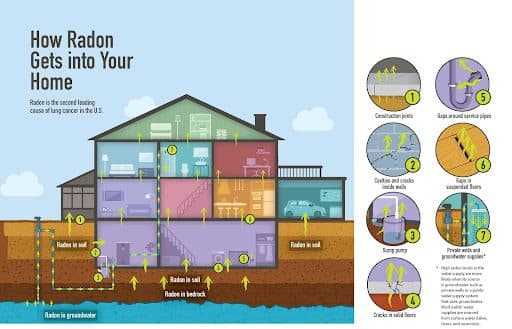
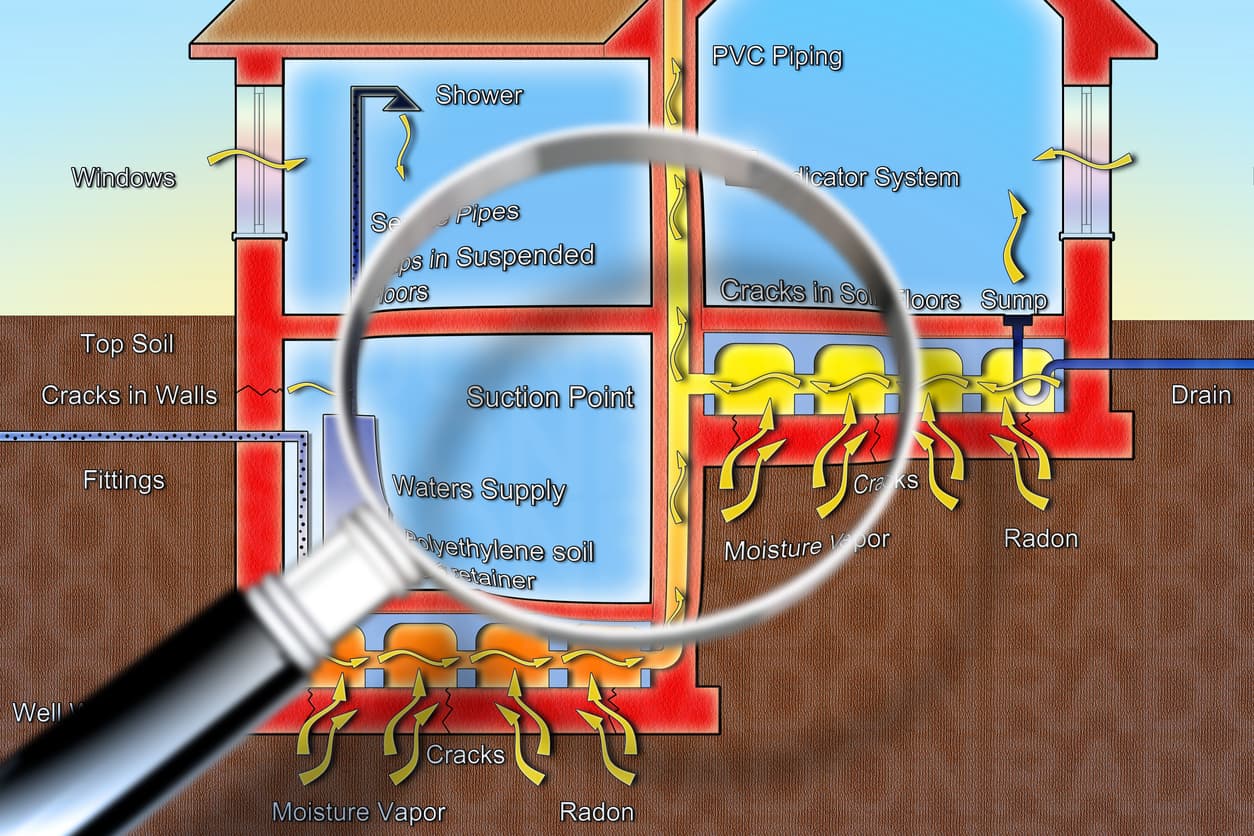
Radon is an invisible, odorless gas that forms naturally when uranium in soil and rocks breaks down. This radioactive gas can seep into homes through cracks in foundations, basement floors, and walls. While radon is found everywhere in the United States, Utah faces particularly high radon levels due to the state's unique geology. Understanding radon risk factors and knowing who is most vulnerable can help protect your family's health.
Why Utah Has High Radon Levels
Utah's geography makes it especially prone to radon problems. The state sits on uranium-rich soil and rock formations, particularly in areas along the Wasatch Front and in many mountain valleys. According to the Environmental Protection Agency (EPA), numerous Utah counties have been identified as high-risk zones for radon exposure. Homes in Salt Lake County, Utah County, Davis County, and Weber County often show elevated radon levels that exceed the EPA's action level of 2.7 picocuries per liter (pCi/L).
The risk isn't limited to certain neighborhoods or older homes. New houses and old houses, expensive homes and modest homes—all can have dangerous radon levels. The only way to know if your home has a radon problem is to test for it.
Who Is Most Vulnerable?
While radon exposure poses risks to everyone, certain groups face greater danger. Children and teenagers are particularly vulnerable because their cells divide more rapidly than adults, making them more susceptible to radiation damage. People who spend the most time at home, including stay-at-home parents, remote workers, and retirees, face longer exposure periods.
Smokers and former smokers face the highest risk from radon exposure. When combined with smoking, radon significantly increases the chances of developing lung cancer. According to health experts, radon is the second leading cause of lung cancer in the United States, responsible for about 21,000 deaths each year.
Protecting Your Family
The good news is that radon problems can be fixed. The first step is testing your home. You can order a free radon test through this website. Click on the button below. These tests typically take 2-7 days to complete. For more accurate results, especially if you're buying or selling a home, consider a long-term test lasting 90 days or more.
If your home tests above 2.7 pCi/L, don't panic. Licensed radon mitigation professionals can install systems that reduce radon levels by up to 99%. These systems typically cost between $800 and $2,500, a worthwhile investment for your family's long-term health.
Take Action Today
Given Utah's high radon risk, testing your home isn't optional—it's essential. Whether you live in a basement apartment in Provo, a townhouse in Sandy, or a mountain home in Park City, radon could be affecting your family's health right now. Testing is the only way to know for sure.
Don't wait for symptoms to appear. Radon-related health problems take years to develop, but the damage starts immediately. Protect your family by getting a radon test today. It's a small step that could make a life-saving difference for the people you love most.