What is Radon?
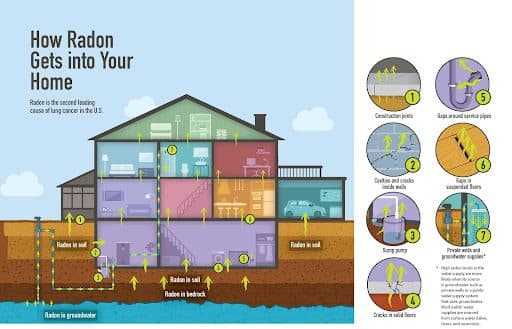
Radon is a colorless, odorless, and tasteless gas that comes from the natural breakdown of uranium in soil, rock, and water. Because you can't see, smell, or taste it, radon can be present in your home without you even knowing. This radioactive gas can seep into buildings through cracks and openings in the foundation, making basements and crawl spaces particularly vulnerable to radon exposure.
Why Should You Care About Radon?
Radon is the second leading cause of lung cancer in the United States, right after cigarette smoking. According to the Environmental Protection Agency (EPA), radon causes about 21,000 lung cancer deaths each year. The risk increases when people breathe in radon over long periods of time, especially in enclosed spaces like basements where radon can accumulate to dangerous levels.
How Does Radon Enter Basements and Crawl Spaces?
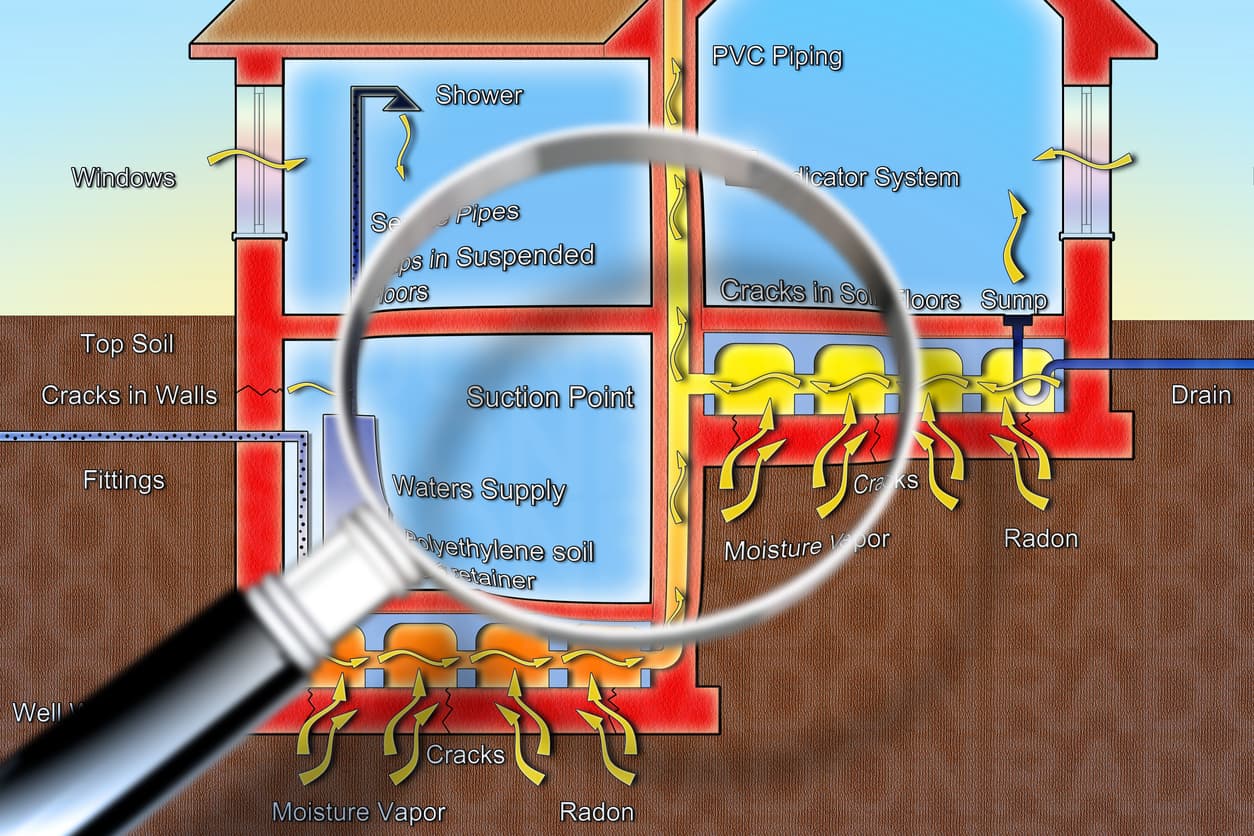
Radon gas moves up through the ground and can enter your home through various openings. In basements and crawl spaces, radon typically enters through:
- Cracks in concrete floors and walls
- Gaps around pipes and wires
- Floor drains and sump pump openings
- Loose-fitting pipe penetrations
- Dirt floors in crawl spaces
Because air pressure inside a home is usually lower than the pressure in the soil beneath it, the house acts like a vacuum, pulling radon gas inside. This is why basements and crawl spaces, which are closest to the ground, often have the highest radon levels in a home.
Testing for Radon
The only way to know if you have dangerous radon levels in your home is to test for it. Radon testing is easy and inexpensive. You can purchase a do-it-yourself test kit at most hardware stores or online, or you can hire a professional to test your home. The EPA recommends testing all homes below the third floor for radon.
There are two types of radon tests: short-term tests (which take 2-90 days) and long-term tests (which take more than 90 days). While short-term tests give you results faster, long-term tests provide a better picture of your home's year-round radon levels since radon concentrations can vary by season.
What to Do If You Have High Radon Levels
The EPA recommends taking action if your radon level is 2 picocuries per liter (pCi/L) or higher. If your test shows elevated radon levels, don't panic. Radon problems can be fixed. A qualified radon mitigation professional can install a system to reduce radon levels in your home. The most common method is called active soil depressurization, which uses a pipe and fan to draw radon from beneath the house and vent it outside.
Prevention Tips
While you can't prevent radon from being in the soil around your home, you can take steps to minimize its entry:
- Seal cracks in floors and walls
- Improve ventilation in basements and crawl spaces
- Consider installing a radon mitigation system if levels are high
- Test your home regularly, especially after any renovations
Understanding radon and its risks is the first step in protecting your family's health. By testing your home and taking action if needed, you can significantly reduce your exposure to this dangerous gas. Contact us today to learn how to get your home tested for free.