Radon is a radioactive gas that causes lung cancer, and similar to carbon monoxide, our senses can’t detect it. Unfortunately, radon poisoning is not as noticeable as carbon monoxide poisoning, so it’s critical to understand the signs and symptoms and what you can do to protect your health.
Where does radon come from, and why is it dangerous?
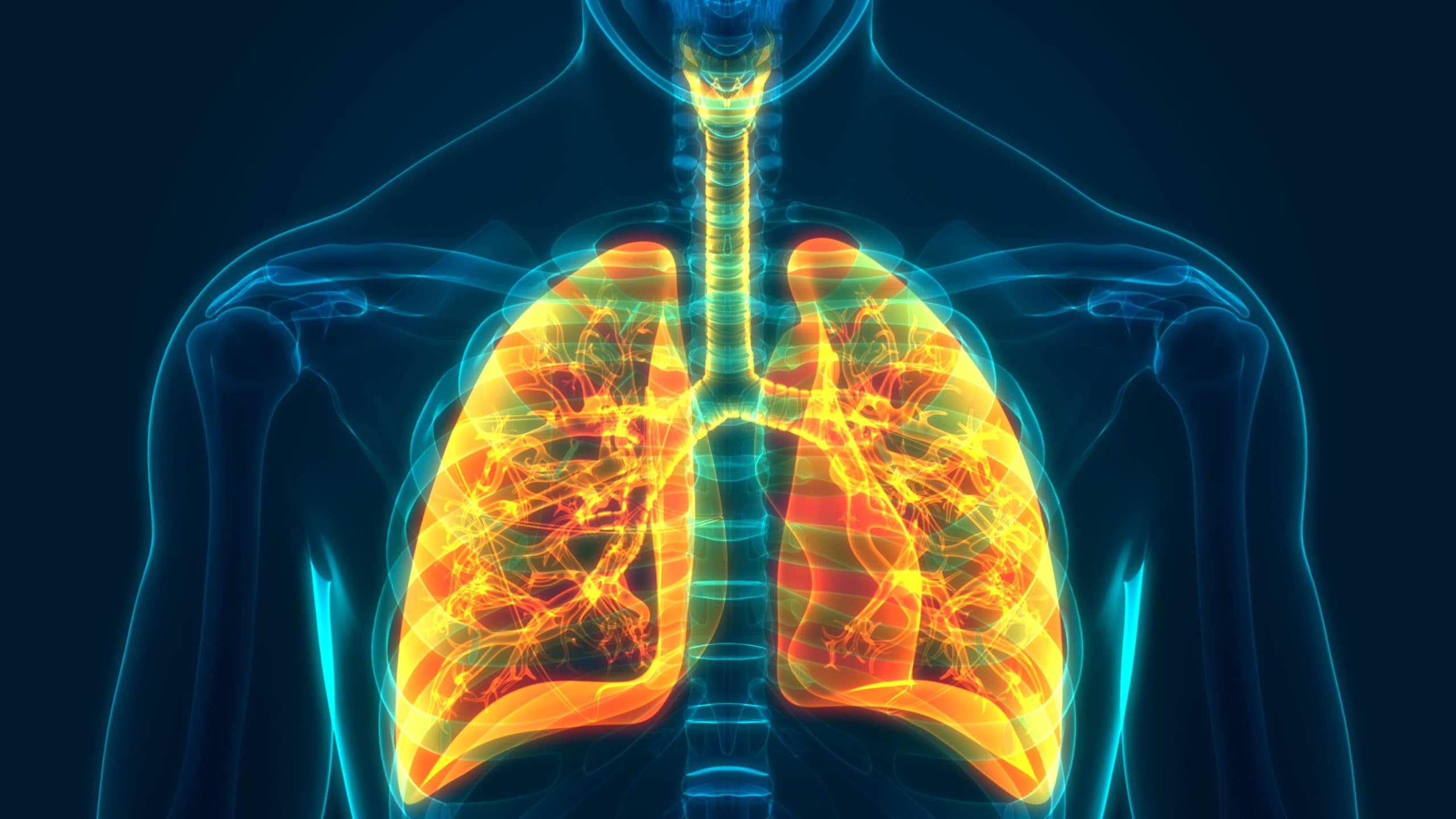
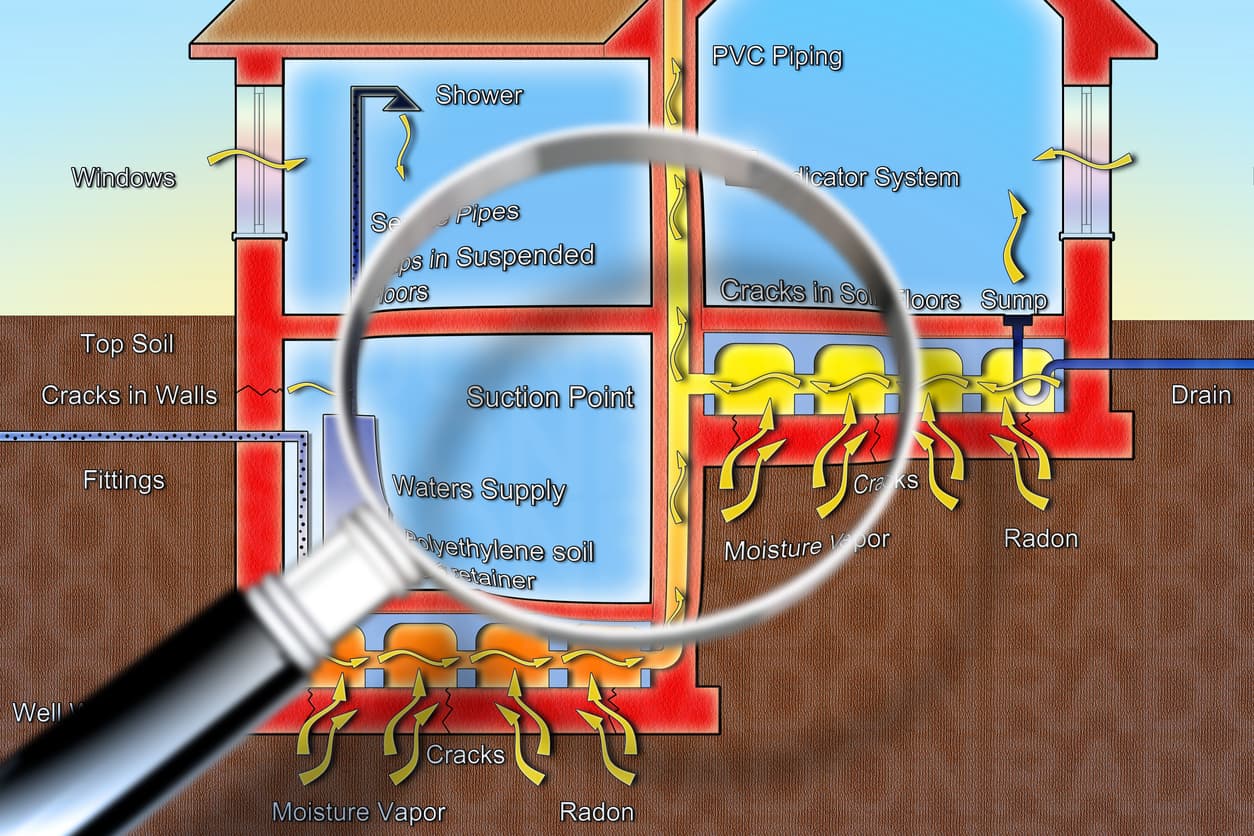
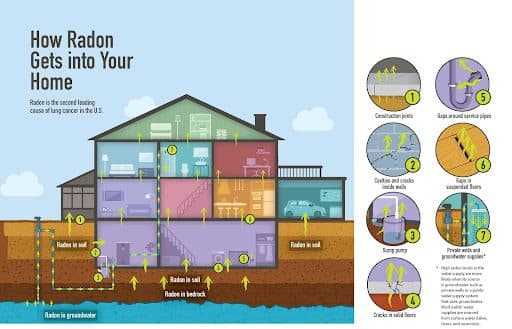
Radon is created when uranium in the soil decays, and Utah is full of uranium. As radon rises into the air, it can seep through pores and cracks in a building. When radon concentrates at high levels inside and enters our lungs, it changes the DNA and can cause lung cancer. Even more, radon exposure has been linked to blood cancer, asthma, and attention deficit issues in children.
What are the signs and symptoms of radon poisoning?
Radon exposure is often not discovered until someone has been diagnosed with stage 3 or 4 lung cancer because the symptoms often mimic allergies, the common cold, and other minor illnesses.
According to Health.com, there are several lung cancer symptoms you should look out for and connect with your primary care provider about:
- Persistent cough
- Hoarseness
- Wheezing
- Coughing up blood
- Shortness of breath
- Chest pain
- Frequent respiratory infections
- Loss of appetite
- Unexpected weight loss
- Fatigue and weakness
Some of these symptoms may also be present in other radon-induced illnesses. If you experience any of these symptoms, and especially if your home tests high for radon, you should seek medical attention.
What can you do about radon?
Although our senses can’t detect radon, it can be detected by an at-home test. Click here to receive a free test to find out if your home has a high radon level. If it does, we are happy to answer any questions about installing a radon mitigation system.