What is Radon?
Radon is a colorless, odorless gas that you can't see, smell, or taste. It forms naturally when uranium in soil, rocks, and water breaks down over time. Because radon is a gas, it can move through the ground and enter buildings through cracks and openings in the foundation. This is a problem because radon is radioactive and can be harmful to your health if you breathe it in over long periods of time. In fact, radon is the second leading cause of lung cancer in the United States, right after smoking.
Why Do We Need Radon Mitigation Systems?
When radon builds up inside homes and buildings, it can reach dangerous levels. Since we spend so much time indoors, especially in our homes, it's important to keep radon levels as low as possible. The Environmental Protection Agency (EPA) recommends taking action if radon levels in your home are at or above 2 picocuries per liter (pCi/L). This is where radon mitigation systems come in. These systems are designed to reduce radon levels and keep your indoor air safe to breathe.
How Do Radon Mitigation Systems Work?
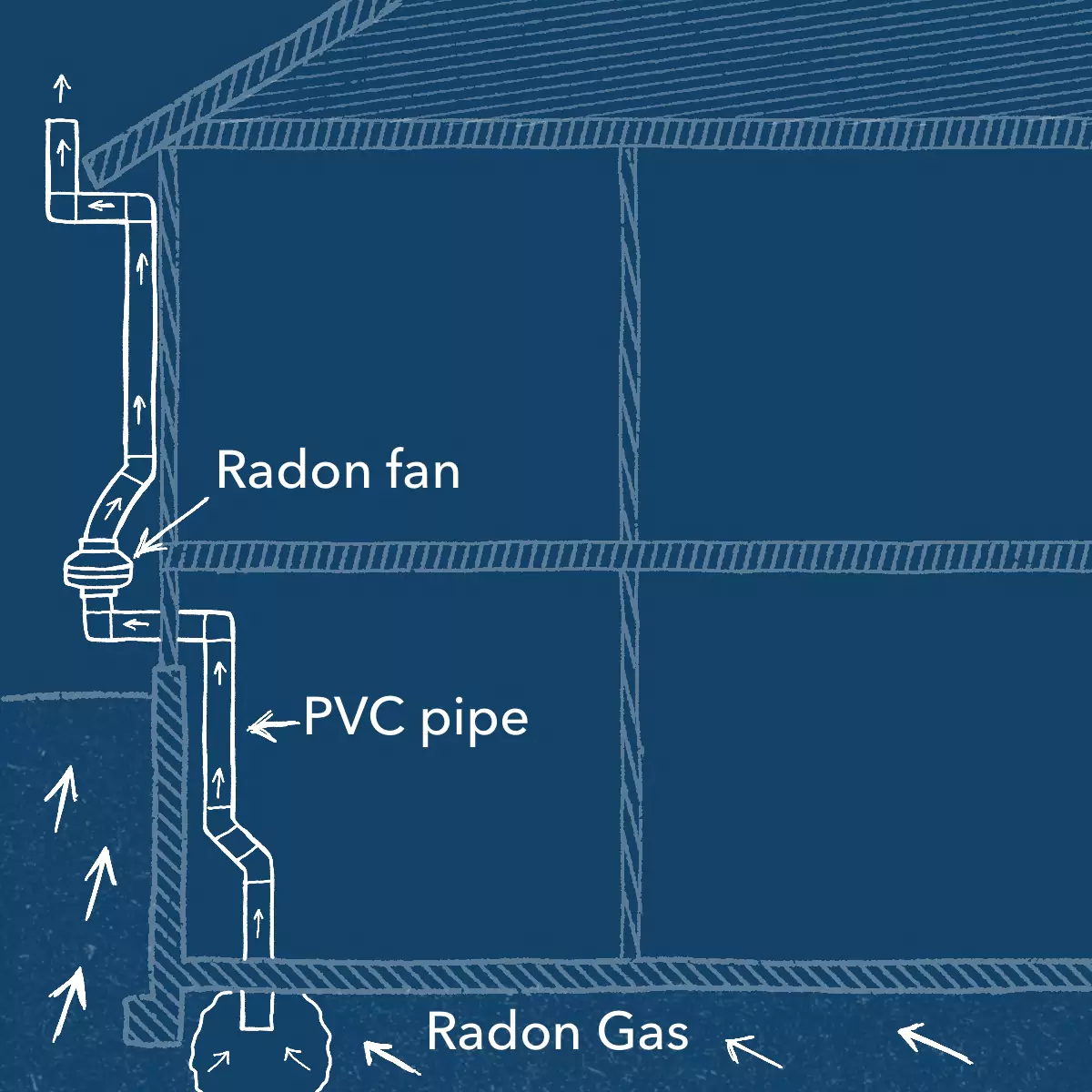
The most common type of radon mitigation system is called a sub-slab depressurization system, also known as soil suction. This system works by creating a small vacuum under your home's foundation to prevent radon from entering. Here's how it works step by step:
First, a small hole is drilled through the concrete floor of your basement or the foundation slab. A PVC pipe is then installed into this hole, extending down into the soil beneath your home. This pipe acts as a pathway for radon gas to escape. The pipe runs up through your house and exits through the roof, similar to a plumbing vent.
Next, a special radon fan is attached to the pipe, usually in the attic or outside the home. This fan runs continuously and creates suction that pulls radon gas from beneath the foundation before it can enter your home. The fan draws the radon up through the pipe and releases it safely into the outdoor air, where it quickly dilutes to harmless levels.
Other Types of Mitigation Systems
While sub-slab depressurization is the most popular method, there are other types of radon mitigation systems. Some homes use drain tile suction, which works similarly but uses existing drainage systems around the foundation. Sump hole suction is another option that pulls radon from the sump pump pit. For homes with crawl spaces, a plastic sheet can be placed over the exposed soil, with a vent pipe and fan system to remove radon from underneath the sheet.
Do They Really Work?
Yes! Radon mitigation systems are very effective. Most systems can reduce radon levels by up to 99%, and they typically lower levels to below the EPA's recommended action level. After installation, it's important to test your home again to make sure the system is working properly. The fan runs all the time using about the same amount of electricity as a light bulb, so it's affordable to operate and provides continuous protection for you and your family. For more information on radon mitigation and how to receive a free radon test, click on the contact us.