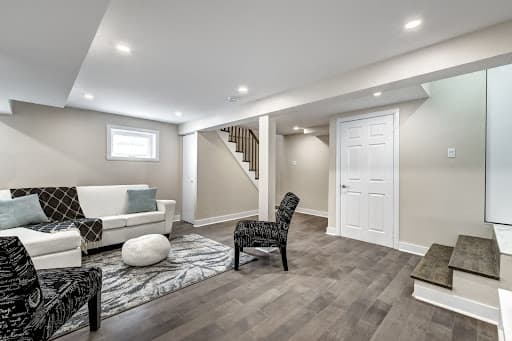
Radon can impact any home, but not all homes are created equal. If you have a basement or a crawl space, it’s important to know how they may impact your exposure to radon. (Radon risk in basements and crawl spaces)
Radon in basements
Radon will always be highest in the lowest level of your home because it is closest to the soil where radon comes from. If your basement is unfinished and unused, you will likely have less radon exposure than a basement that is finished and used often. The more time you spend in an area with high radon, the greater your chances of developing lung cancer.
While the foundation of your home provides some protection, radon can still enter your basement through pores, cracks, and construction joints.
Radon in crawl spaces
If your home has a crawl space, you’re at much greater risk of radon exposure because there is no concrete between the ground and the home. While crawl spaces allow for greater circulation below the home, they also can allow more radon to enter. Sealing your crawl space can reduce some radon exposure, but it’s still important to test your home for radon and install a mitigation system if the home tests high. (Radon risk in basements and crawl spaces)
Click here to get a free radon test delivered to your home.