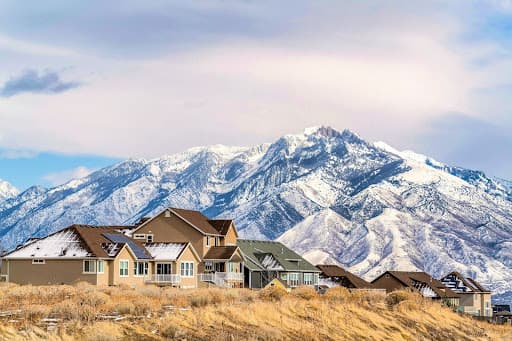
Utah is known for having the greatest snow on earth, but the same conditions that create dreamy skiing conditions can make radon concentrate to dangerous levels. If you live in Utah, it’s important to know how the upcoming winter season can impact your exposure to radon—and the risk of lung cancer that comes from radon exposure.
What is radon?
Radon is a radioactive gas that can’t be seen, smelled, or tasted. It is created when uranium in the ground breaks down, and it then rises into the air that we breathe. While it’s not incredibly dangerous when it disperses in outdoor air, it can become very harmful to one’s health if it concentrates indoors. Radon can enter a building through tiny pores, cracks, and joints in the foundation, and it doesn’t require any sort of major damage to the foundation to do so.
Why should I be worried about radon?
The dangers of radon exposure should not be understated. Radon is the leading cause of lung cancer in non-smokers and takes 21,000 lives per year. Even more, radon exposure has been linked to childhood leukemia, attention deficit issues, and other illnesses and disorders.
Roughly 50% of homes in Utah have high radon levels, and just because your neighbor’s home is low doesn’t mean yours won’t be high. All Utahns should know about the risks they face if they’re exposed to high radon levels over a prolonged period of time.
Why are radon levels higher in the winter?
There are a couple of reasons why radon levels are higher in the winter (and why someone might be exposed to more radon, too). First, when the ground freezes, less radon can escape into the air outdoors. Unfortunately, it still needs a place to go, so more rises into buildings. Additionally, a phenomenon called the stack effect creates a pressure difference that pulls radon out of the ground like a vacuum and brings it into the building. Finally, radon can concentrate even more as doors and windows stay shut during the colder months.
What can I do about radon?
Radon is incredibly dangerous, but there are steps you can take to protect yourself and your loved ones. The most important thing you can do is test your home for radon every two years, alternating between the summer and winter. If your home tests high, a radon mitigation system can be installed to reduce the amount of radon that can enter your home. Radon systems are reasonably priced, and on top of protecting your lungs, they can increase your home’s value, too!
It’s also incredibly important to spread awareness about radon in your community. The more people who become aware, fewer people will suffer from radon-induced illnesses. All Utahns in all corners of the state can request a free radon test by filling out the form on this page.
Questions? Contact our radon mitigation experts here! We can’t wait to hear from you.