Did you know radon levels fluctuate throughout the year? We’re here to break down why radon levels may change throughout the year and what it means for your home.
The weather’s impact on radon levels
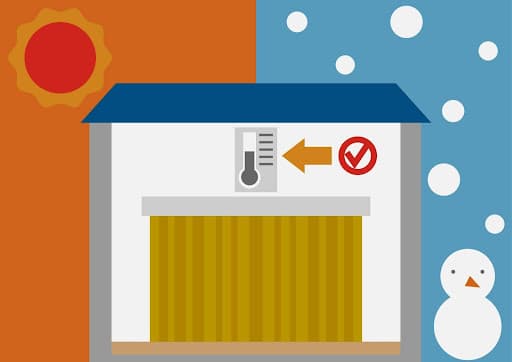
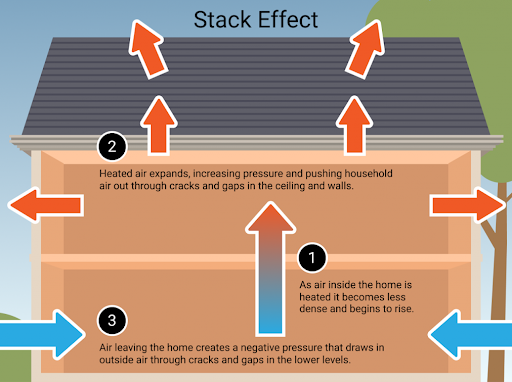
The amount of radon that concentrates in your home is directly related to how much radon can rise into the outside air and other in-home factors. In the winter, colder and often snow-covered, ground reduces how much radon can rise into the outdoor air, which means more radon is available to enter your home. Additionally, an increase in heating, alongside closed windows and doors, can suck more radon out of the ground and into your home in a process called the “stack effect.”
Conversely, windows are often propped open when summertime rolls around, the heat is off, and more radon can exit outdoors where it isn’t concentrated. This means your radon level is usually lower in the summer, although it may still be high by Environmental Protection Agency and World Health Organization standards.
Finally, natural disasters, including earthquakes, can alter a building’s foundation, allowing more radon to seep inside. If a natural disaster occurs in your area, you’ll want to consider how it may impact your home’s radon level, even if there isn’t significant damage. Because radon is a gas, it can rise through even the most minor cracks.
Construction’s impact on radon levels
If you ever remodel your home, you may allow more radon to enter the air inside. Like natural disasters, the labor done on a home when under construction can create small cracks and movement in the foundation. This allows more radon to enter and concentrate inside, potentially leading to lung cancer.
How to properly test your home for radon
Utah’s average radon levels are up to 71% higher in the winter, so if you test your home in the summer, make sure to account for the colder months. For example, if your home tests at 1.6 pCi/L (considered “low”) in the summer, it could test at 2.7 pCi/L (considered “high”). Additionally, testing your home for radon every two years is essential because radon levels fluctuate not only with the weather but with other conditions like earthquakes, construction in your area, and home additions.
To receive a free radon test kit for your home in Utah, click here.