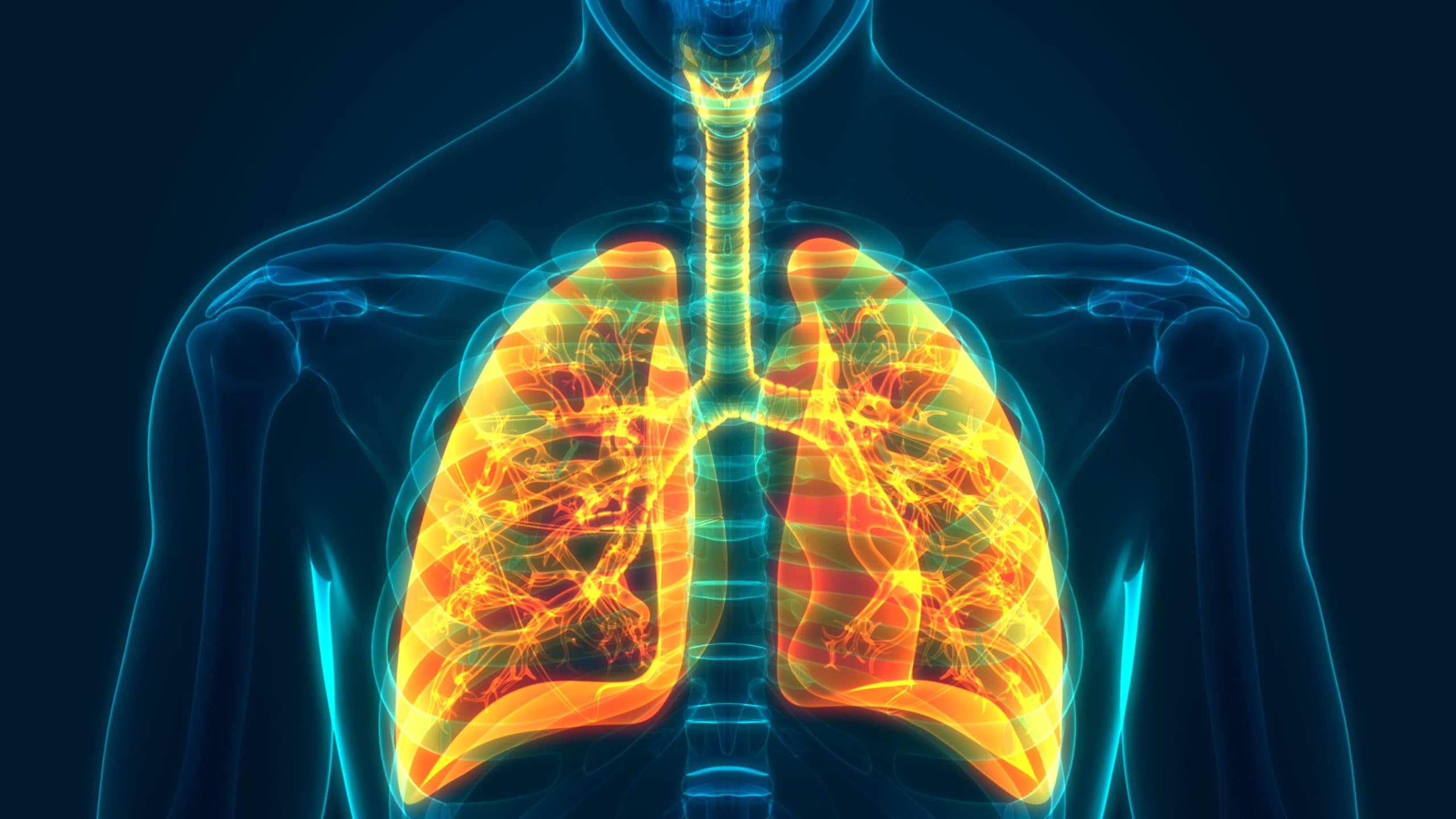
As children, we all learn how dangerous smoking is and how it can lead to lung cancer. However, we often aren’t educated on the second-leading cause of lung cancer: radon exposure.
What is radon
Radon is a radioactive gas that our senses can’t detect. It is created when uranium in the ground decays, and it then rises into the air we breathe. Outdoors, the concentration of radon is so low that it doesn’t impact our health much. However, when it rises into homes and other buildings, it can get trapped and cause diseases such as lung cancer.
Non-smoking lung cancer cases on the rise
According to Ohio State University Wexner Medical Center, 15–20% of lung cancer diagnoses are in those who have never smoked. Doctors acknowledge that the rise in non-smoking lung cancer is likely linked to radon exposure, yet still, 75% of Americans have never tested their homes for radon. In Utah, it is estimated that 80-90% of homes have never been tested.
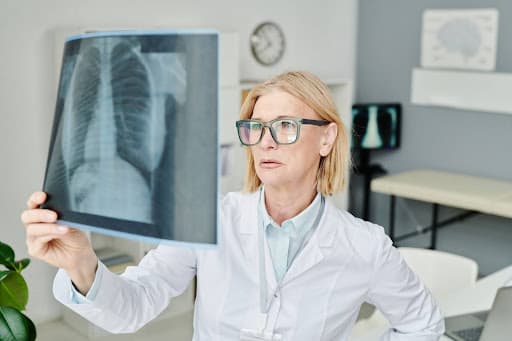
When detected early, lung cancer can be cured at a rate of 90–95%, but most cases are not detected until the disease has progressed to potentially deadly levels. Even more, meeting the criteria for testing can be difficult unless you’re at high risk of developing lung cancer. Being proactive about radon is essential to avoid a potentially deadly diagnosis—even if you are young and healthy.
What you can do about radon
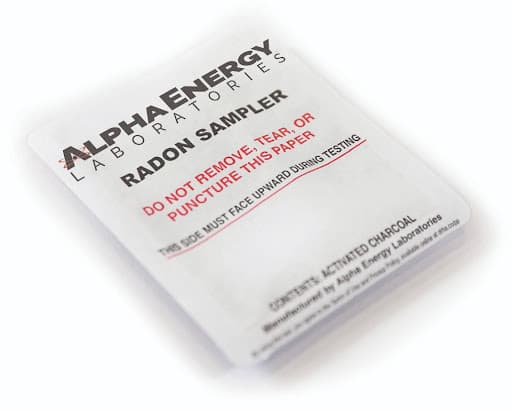
All Utahns can get one free radon test for their home by filling out the form on this page. By following the appropriate testing protocols (testing your home every two years), you can catch high radon levels and take action before your health is impacted. If you have already tested your home, you can also support your community by spreading the word about the dangers of radon and encouraging your friends, loved ones, and neighbors to test their homes.