Jen Fischer is a real estate broker, realtor, and radon awareness advocate in Utah who is passionate about educating the public about the risks of radon. Radon in real estate is a tricky subject—especially in Utah. Some states have requirements for radon testing during the home inspection process, but Utah does not, even though nearly 50% of homes have high radon levels. (What real estate agents need to know about radon in Utah)
Some of Jen’s clients have been skeptical about her suggestion for a radon test. “...unless you’ve had a close brush with environmental science, or read up on detailed findings from the Environmental Protection Agency in your spare time, radon can sound suspiciously like something your mechanic’s cousin might try to sell you—a made-up thing like left-handed screwdrivers or dehydrated water,” shared Jen. If there’s one thing to take away from this article, it's not just that it’s a good idea to get a radon test during your home inspection in Utah, but that it’s critically important.
Radon in Utah
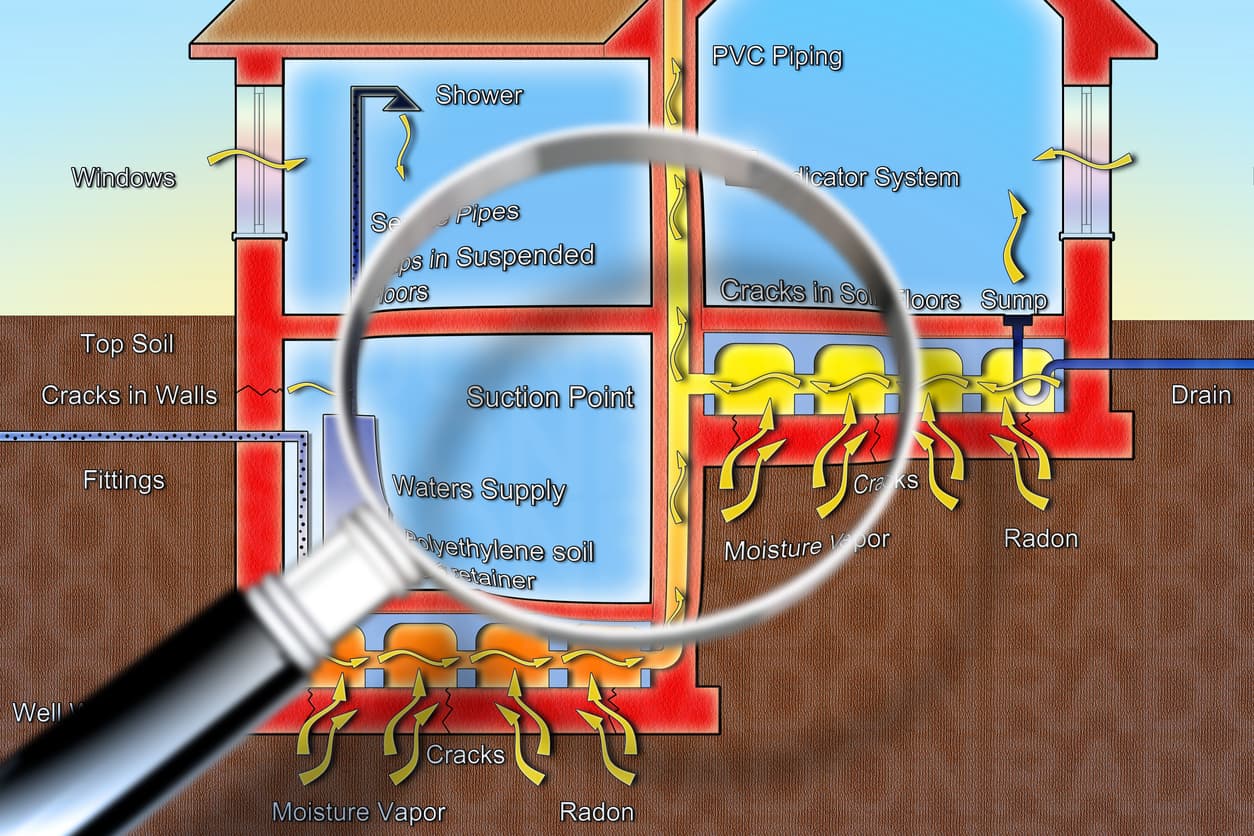
Before we dive into testing, let’s take a step back and talk about the basics of radon. Radon is an odorless, invisible, tasteless gas that rises out of the ground when uranium in the soil decays. Uranium is present throughout Utah—so much so that there’s a significant history of uranium mining—which means radon is also present throughout the state.
Radon can rise into homes through tiny pores in the foundation, and it doesn’t matter how new or old the home is—any home is susceptible to high radon levels. The DNA in your lungs changes when high radon levels are breathed in over a prolonged period, which is why radon exposure is the leading cause of lung cancer and takes 21,000 lives per year.
What real estate agents need to know about radon
While Utah lawmakers have faced increasingly more pressure to implement protections against radon, there is not nearly enough protection at the government level, and everyone must take radon testing into their own hands.
Purchasing a home is a special experience, and the last thing it should be tainted by is chronic illness because an optional test was denied. As a realtor, you have a unique opportunity to protect your clients from radon-induced illnesses by urging them to add a radon test to their inspection. If the home tests high, a radon mitigation system can be installed in a day to reduce the radon to a safer level, which means your client doesn’t need to give up on their dream home.
Testing for radon 101
A small, simple radon test can be conducted to get a reliable picture of a home’s radon exposure. While testing should be done every two years, alternating between summer and winter, it’s helpful to have a baseline idea of a home’s radon level during the home buying process, especially if installation of a system can be added to other projects on the home.
Jen lets her clients know testing and resolving a radon issue is easy and worth every penny. “The radon test itself is inexpensive, quick, and doesn’t involve hazmat suits or government-issued Geiger counters.” All Utah homes can receive one free radon test by filling out the form here.